
WEBINARS
Sex, Drugs & Diabetes
Category Tags:
Management
General Tips
Healthy Living
Just the Basics
Speaker:
Dr. Alice Cheng and Dr. Celine Huot
Published:
September 14, 2022
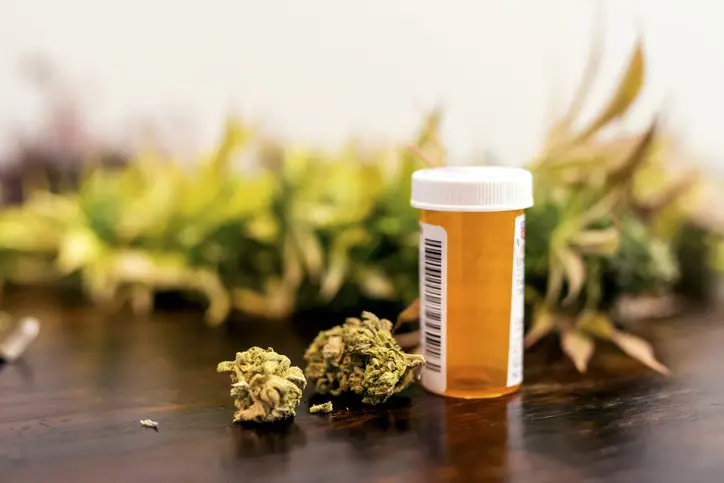
This webinar presentation discusses sexual health, tips, and considerations for people living with diabetes, along with the risks and realities of using drugs like alcohol and cannabis.
Helpful resources:
Cannabis use in adults and adolescents with diabetes: https://www.diabetes.ca/advocacy---po...
Brief Screener for Tobacco, Alcohol, and other Drugs: https://nida.nih.gov/bstad/ OR Screening to Brief Intervention (S2BI): https://nida.nih.gov/s2bi/
Brief counselling for marihuana dependence: A manual for treating adults: https://store.samhsa.gov/product/Brie...
0:01 okay welcome everyone and thank you for being here my name is brooks roach i am manager of patient knowledge and 0:06 connection with diabetes canada and i'd like to begin by acknowledging that i am joining this webinar from the 0:12 traditional and unseated territory of migma people and wherever you're joining or watching from today i invite you to 0:18 just take a moment to express some gratitude and recognition for the indigenous lands that we now 0:23 call canada we are here today to talk about a pair of topics that often do not receive 0:30 enough attention in the diabetes community or certainly traditionally haven't so 0:35 lo and behold people living with diabetes do have sex and do use drugs and we wanted to come together to share 0:42 some knowledge and tools to keep in mind when navigating these pieces of our personal lives 0:48 so i'm very very pleased to welcome our two guests today dr alice chang who is an endocrinologist at trillium health 0:55 partners and unity health toronto and an associate professor at the university of toronto welcome dr chang thank you 1:01 thanks for having me it's a great topic it is yeah and uh happy to have a couple experts and our other expert is dr 1:08 celine huo who is a full clinical professor pediatric endocrinologist and head of the endocrinology division at 1:15 chu saint justin in montreal as well as president-elect of the canadian society 1:20 of endocrinology and metabolism full bio and welcome celine happy to have you hello everyone for the purpose 1:27 of our talk i won't be talking about children but adolescents and adults 1:32 okay excellent so again thank you both for being here and i personally as someone who lives 1:37 with type one i'm just really interested to hear about this some of these topics that have been taboo and to dive right 1:43 in so the format today is that our two experts will be answering some key questions that they've heard from 1:50 patients and seen in their work and research i'd also like to take a moment to remind 1:55 viewers that while this session is relevant to people of almost any age the recommendations you'll hear are intended 2:01 for an adult audience so as celine mentioned adolescents or their caregivers are strongly encouraged to 2:06 ask further questions specifically to their diabetes care team we will be taking questions from viewers 2:12 so you can ask your questions by replying in the comments below and if you would prefer to keep your questions anonymous recognizing this may be a 2:19 sensitive topic or one you would rather keep private you can send a direct message to diabetes canada on facebook 2:26 so with that we will dive right into the discussion and i would like to pass it 2:32 to dr chang and ask let's start at the beginning so if someone with living with 2:37 diabetes was considering starting to have sex either for the first time or with a new partner what are some of the 2:43 key considerations they should keep in mind so i i think a very important message to 2:49 take away from today is to remind everyone that someone living with diabetes can absolutely have a 2:55 satisfying and enjoyable sex life just like anyone else who may not live with 3:00 diabetes so i think that's a very important starting point to come from and just like everyone else in order to 3:07 try to achieve that satisfying and enjoyable sex life it is very much about communication it's about strong direct 3:14 communication with your potential partner so that everybody is on the same 3:20 page and specific to diabetes there are some practical considerations that one needs 3:27 to discuss with their potential partner so let's start off with uh how can sex 3:32 impact one's blood sugars or vice versa so remember uh sexual activity is is 3:38 exercise uh so it it is considered physical activity it is considered exercise and therefore the potential for 3:47 a low blood sugar is certainly there uh depending on on how vigorous the sex may be or the 3:54 duration etc but all of that does in fact uh is exercise and therefore could make 4:00 the blood sugars lower so ensure that your partner is aware of that possibility ensure that you have 4:06 candies or dex tabs or juice or somewhere within arm's reach then that of course is important to consider 4:15 the other thing that one needs to think about is uh potential wearable technology that you may be using 4:22 so for some of you who are listening you may be wearing a sensor you may be wearing an insulin pump there may be a 4:29 tubed pump a tubeless pump so there are certain technologies that you may wear may be wearing on your body 4:35 and i think it's important to have a conversation with your partner about that piece 4:40 and this is always one of the fun debates that one could have at a session is are you a pump on or pump off kind of 4:46 person some people choose to leave their pump on when engaging in sexual activity and some people choose to take their 4:52 pump off and i think that's very much a personal decision and it may change from session 4:58 to session but it is important that again you've thought about it and that you've discussed it with your partner 5:04 because it's just sort of you know what happens if my leg gets tangled in the tubing and you know those kind of things 5:10 do need to be uh discussed ahead of time and and sort of go with the flow and so everybody's 5:16 not um anxious or surprised or or unsure about what to do in those situations so 5:22 i think those are kind of important conversations to uh to have uh with a potential partner and those 5:27 are some of the ones that are sort of specific to diabetes and one other thing that i will mention about blood sugar as 5:32 i said how sexual activity can impact the blood sugars but the blood sugars can impact sexual activity 5:39 so if someone is in fact experiencing hypoglycemia um during sex then that is going to 5:46 impact uh performance so i think that is also relevant to be aware of is how 5:52 blood sugars can also impact sexual activity 5:57 thank you dr chang all very useful things to think about and it's the the debate of pump on pump off does 6:03 rage on um wondering if you could speak a little bit about sexual function and diabetes 6:10 sure excellent excellent question so those living with diabetes particularly 6:16 of longer duration may in fact experience sexual dysfunction or abnormal function from a sexual 6:22 perspective now let's start with in men so in men i think we've all seen the commercials 6:28 it's no longer a taboo topic which is great men may experience erectile dysfunction 6:34 now as we know from the tv commercials etc it's not just men living with diabetes who can experience erectile 6:39 dysfunction but in fact any man can experience erectile dysfunction 6:44 and particularly those with diabetes though they may have some more risk factors for it 6:50 such as some circulation issues or neuropathy nerve related issues from 6:56 long-standing diabetes that may impact erectile function so i i think the key there is again to 7:03 communicate but to communicate with your health care team because if you are experiencing any 7:09 erectile dysfunction uh please mention it and what your team will do is uh perhaps 7:15 do some blood work to check for things like low testosterone which again any man may experience but those living with 7:20 diabetes may experience it a little more often and then that can be treated and as well of course we've got excellent 7:26 medications to address the erectile dysfunction which can be very effective 7:32 but if it's not discussed then of course your healthcare team is not able to help 7:37 you now it is our role to ask the question but sometimes the question does not come 7:42 up in which case we would very much hope that our patients would be able to share the information 7:48 with us and then being able to maintain glucose levels close to target is ultimately going to 7:55 help with that situation and sometimes can be an additional motivating factor for people uh to work on their on their 8:02 blood sugars so that's on the the male side of things now let's talk about female 8:07 now female sexual dysfunction is definitely not discussed publicly you don't see tv ads about it it's not 8:14 discussed uh in movies and and tv shows etc and it's also not something that we're very good about asking 8:22 however we we should be and we do realize that female sexual dysfunction is 8:27 common in general uh but also in those living with diabetes and it may come in 8:32 the form of impacting either desire or impacting arousal or impacting orgasm 8:38 which are sort of phases of the sexual response and depending on where the issue is there may be different treatments that 8:45 could be offered so again number one is to mention it is to mention it is to discuss it with your 8:51 health care team and then based on what the situation is there may be blood tests that need to be 8:57 done to rule out other contributing causes there may be simple therapies like vaginal creams that could deal with 9:04 vaginal dryness or it may involve a referral to a sex therapist who could help with some of 9:09 the sexual desire pieces but it it can happen and it's not something to sort of just brush 9:16 under the rug it is something to discuss with your team because there may very well be things that could be done to to 9:22 help you yeah thank you thank you also i think 9:27 that point of communication is really resounding like across all of what you shared and i'm wondering 9:34 just thinking about if someone as you say you know it's it's great if they do get this targeted question from a healthcare provider you 9:40 know specifically asking about this and i was just thinking i wonder if you have any advice from folks who may not have 9:45 that question coming in from a healthcare provider how could they feel comfortable about 9:51 reaching this topic well one thing that i think all of us do uh even if we forget to ask the pointed 9:57 question all of us will do it towards the end of the visit would say do you have any other questions right i would hope that all of us tend to end our 10:02 appointments with that and then that is a great opportunity to actually say 10:08 uh this is what i have experienced over the last you know whatever period of time 10:14 one thing i would say is that all of us as healthcare providers want to know if you're having an issue 10:22 we may forget to ask but we appreciate when you share that 10:27 information is everyone going to know how to help you maybe not but is everyone going to want to know and then 10:33 direct you to someone who may be able to help you the answer is yes so 10:39 people are going to be open to it people are going to appreciate the fact that you've shared it 10:44 however um we sometimes forget to ask and and that is very much our issue i think in men we tend to remember but i 10:51 got to say when i went through medical school and residency asking women about sexual function just was not 10:56 we weren't taught to do it so therefore we don't ask um but but please bring it up because we we want to help and like i 11:03 said even if the person you're mentioning it to doesn't know what to do they can send you to someone who 11:08 who uh who can help i think that's really helpful keeping in mind that it's not a deliberate um 11:16 blocking out of the the topic it's just people are busy people are healthcare providers may just have a lot on their 11:21 plate and not explicitly ask but that they want to help is a really important lens to keep in mind um 11:29 okay we're going to press pause on topic one uh of sex and move on to drugs so 11:36 with that uh abrupt shift i'm gonna ask you dr huo 11:42 if i am an individual who lives with diabetes and uses drugs which is many of us 11:47 whether that's alcohol cannabis or illicit substances what do i need to know 11:54 that's a great question as well um if we uh take the different substances 12:02 differently alcohol and cannabis are now legal in canada cannabis has been now 12:08 legalized in canada since uh 2018 so people are 12:15 more willing to give information legally and report their use of cannabis so what 12:22 we've known since it's been legalized it's um that for instance if in most of the 12:28 provinces reported use is between 15 to 25 12:34 according to the different provinces uh people living with diabetes will report officially less use and what's uh 12:42 commonly reported for other people not living with diabetes and the people 12:48 living with type 1 diabetes report it more often of course the type of use the type of 12:55 product the mode of administration differs so that's not necessarily asked 13:01 once people contribute the information what has stemmed out uh our potential 13:08 risks though so the risks that people should be aware of 13:14 and then again we don't know what the chicken and the egg is is it just an association is it really related to 13:21 diabetes is it related to other factors we have to keep that in mind but for type 1 diabetes the use of cannabis has 13:29 been related to a slight deterioration in uh the uh glucose control 13:37 namely the hba1c uh the famous blood test that everybody gets once they see their physician and 13:45 but that again when you analyze more according to a level of education 13:51 socioeconomic level this may not be as much of an impact and a risk what has been mostly 13:59 reported in people living with type 1 diabetes is an increased risk 14:04 let's say two to three times of having diabetic ketoacidosis and that's a 14:09 severe complication of type 1 diabetes so what is 14:15 more um more so what's also reported is the fact that if you have a tendency to have a 14:23 diabetic ketoacidosis which will bring you to the hospital you have more of a 14:28 risk of being readmitted within the next year if you have um use 14:34 of cannabis and more so if you use cannabis and other substances so these 14:40 are risks that people living with type 1 should be aware of as for type 2 the use is less reported 14:49 but numbers seem to indicate that there is an increased risk of having vascular 14:55 problems of having cardiovascular problems as well and um these things have to be taken 15:03 into account there are also um there's also information coming in that 15:08 maybe the function of the kidneys may be compromised at some point 15:14 so these are potential risks um then again there's 15:20 up till now we don't know is it a matter of long-term use is it a matter of 15:26 amounts that are being used is it a a matter of the mode of administration of the cannabis is it the type of cannabis 15:33 we don't know so this at least for cannabis is known and the use of cannabis not only may 15:41 impact on glycemic control and also on potential complications of diabetes but 15:48 it's also uh being written also that it may impact on the way we self-care for 15:55 our diabetes so for instance um the way we eat can be perturbed uh while using 16:03 cannabis the way we check our blood glucose and the level of vigilance may 16:09 be um perturbed as well so for those reasons there may be 16:14 risks associated with the glycemic control and also are the way we 16:20 self-care for ourselves if we live with diabetes so that's for cannabis 16:27 um i will go along what what dr chang has said 16:34 before if you don't engage in the discussion with your patients i deal with adolescents as well and young 16:40 adults as nora roberts the famous novelist said 16:46 if you don't ask a question the answer will always be no so ask the question 16:51 engage in it if you don't feel comfortable well at least you'll know the information and as dr chang said 16:57 please bring it to the people who would at least give some advice but officially the recommendations 17:05 overall from physicians would be to uh try to minimally uh use cannabis 17:12 recreationally i'm not talking here about medicinal use of cannabis this is a different topic completely 17:20 but if it is going um to be a part of 17:25 your i would say extracurricular activities uh then the best thing to uh do is to 17:33 make sure that somebody will help you to ensure that at least your self-care is 17:39 not perturbed because of your recreational use of cannabis these are 17:44 the main lines um for other substances there isn't much 17:51 uh published both for type 1 and type 2 diabetes more so in canada because it's illegal so if you report it 17:58 you're not supposed to use it so we doubt very much that the numbers are 18:03 reliable there as for alcohol alcohol 18:08 for anybody should be a topic of discussion in any 18:15 follow-up in healthcare situation that's for sure and alcohol more so when its 18:22 use is not considered moderate can have impact on health there are additional 18:29 risks for people living with diabetes and 18:34 then again it's hard to generalize the information because yes there's the type 18:40 of diabetes that can influence your reaction to the alcohol intake more so if it's more 18:47 than moderate or just socially once in a while but there's individual predispositions 18:53 as to how you metabolize the alcohol and whatever so the recommendations are 18:59 general there are for safety but it's it's a matter of controlling the risks 19:06 risks and can also with the use of alcohol include um worsening of other health 19:14 problems uh more so if you have them to start with so for instance high blood pressure 19:20 very common people living with type 2 diabetes an increase in some of the fats in the 19:27 blood which are called triglycerides so more so if you have them those people who already have inflammation to their 19:35 pancreas can have uh serious bouts of inflammation which are very painful and 19:41 can lead to very serious medical um imbalances as well um and also it's it's 19:48 it's known that alcohol use can impact on the function of the liver and as we 19:54 know the liver is very important not only in releasing the sugar we need in 19:59 between meals and when we sleep but it's also very important to metabolize or to help the way some of 20:07 our medications work when we treat diabetes so for those 20:13 reasons there are moderate 20:19 i would say uh risks in the in the moderate long term but in the short term 20:26 the use of uh using alcohol i would say within um 20:31 [Music] more than uh less than less than minimal amounts uh can impact in some 20:38 individuals um in the short term and uh there are potential two risks if 20:44 your blood sugar is already very very high more so if you have type 2 diabetes and 20:50 you take certain medications your blood sugar is very high and you take alcohol this can lead to dehydration alcohol 20:57 makes you go pee and then again your blood sugar may spike right up and you 21:03 may feel very dehydrated and end up very very sick 21:08 while most people will agree that many types of 21:14 drinks include carbohydrates uh sugars 21:20 the initial thought would be oh yeah the alcohol would lead to an increase in 21:25 blood sugar not necessarily wrong but don't forget not all alcohol types uh include a lot 21:32 of carbohydrates sugars but uh what actually happens is once 21:38 your body starts getting rid of the alcohol then it's so busy that 21:43 the liver can't provide sufficient sugar uh in between meals or more so if 21:50 you've drunk um alcohol without having uh a meal or food 21:57 in the meantime so the risk of having uh 22:02 alcohol of taking alcohol is actually to having a low blood sugar 22:08 low blood sugar can also more so in time people with type 1 diabetes but in type 2 diabetes if you 22:15 take even something with a lot of sugar in the drink your pancreas is still secreting insulin 22:22 it can go really high up in terms of secreting insulin and then you will end up having hypoglycemia anyway 22:29 so let's not forget there is sugar in alcohol but the immediate 22:36 danger is more the low blood sugars and this can be a problem until you wake 22:44 up the next morning whether you have a headache for having drunk too much or not but you can also have a very severe 22:51 headache if you're in a hypoglycemia or have treated hypoglycemia during the the night 22:57 so there are some measures that we recommend we discuss this uh openly with 23:03 all our patients pretending that people will never drink alcohol for many will prove to be difficult and so there are 23:12 many ways in which you can prevent for sure there's the types of alcohol 23:18 i.e concentration here what is included in terms of sugars 23:24 in the alcohol that you drink monitoring 23:29 checking for your blood sugar having a partner somebody who helps you uh to actually make sure that 23:37 the blood sugar is still normal and these are additional 23:43 uh this is an additional help that you may need simply because alcohol may perturb your cell your sense of 23:50 feeling well or unwell and let's not forget also that alcohol may lead to symptoms which may be 23:58 difficult to distinguish from hypoglycemia or oh i'm just i'm 24:05 just having a little bit of a headache because i've done too much there 24:11 so overall these are the messages for substance and alcohol use 24:17 uh yes engage with patients but i would say also 24:22 um let's discuss it openly prevention here is much better than having to deal i 24:29 speak for myself speaking um uh dealing with adolescents uh you have this 17 year old in the 24:36 emergency who doesn't feel well and then they have to explain to their parents 24:41 what actually happened whereas you know if they just they they discuss it before beforehand this would never have shown 24:48 up on the radar okay thanks very much that's a very 24:55 in-depth rundown like i feel like that's a great uh sort of starting kit if someone's 25:00 looking into whether it's beginning to use alcohol or cannabis or looking to 25:06 revisit the way that they engage with those substances that's really helpful 25:11 lay of the land so thank you um on the note of opening that dialogue and 25:16 similar kind of point around the importance of just communication and you know you can you know i love that that 25:21 quote about the only way to get a definite no is not to ask so just go first um 25:28 on the note of an open dialogue i would now like to open the floor questions so we have a couple that have already come 25:35 in and i would just encourage folks to engage you know as mentioned in the 25:40 comments section or via direct message and you know potentially treat this as a 25:45 chance to test out the way that you might ask about your own health situation um because we want this to be 25:51 you know this is a very uh open and understanding setting so i want to welcome any type of question so a couple 25:58 that have come in already which i'll share with you folks and the first is probably the most direct uh and easy to 26:03 answer is um franklin asks is there a link to studies on cannabis and diabetes so what 26:10 i'll say is certainly and i can connect with you dr huo and we can share those 26:15 uh in the comments section on this video after the fact um so just stay tuned and we'll follow up but great question and 26:22 happy to help you explore a bit further the next question is regarding um the 26:29 use of cbd to help sleep issues so wondering perhaps um celine if you could touch on 26:36 the distinction between perhaps thc and cbd if relevant and then as you 26:41 mentioned these sort of medicinal uses if it's been prescribed 26:46 um the literature 26:52 on thc which is known to have effects on quotes unquote's well-being 27:00 either stimulating or relaxing properties are i would say 27:08 more preponderant in the literature the information is more preponderant than it is for a cbd 27:14 the quality of the literature for cbd because it has various uses 27:20 is is is is more difficult to um to get 27:27 thc doesn't act on the body on the same 27:34 receptors as cbd thc acts throughout the body and there 27:41 are um this is why we can explain this is how we explain actually why it has some 27:48 central nervous system positive and sometimes not so positive effects 27:54 whereas cbd acts elsewhere in the body and it acts on 28:01 let's translate it this way pain receptors so um 28:08 those pain receptors have not been as well characterized as the receptors for 28:14 thc so the effect of cbd on sleep 28:21 more so in people with diabetes where whether it would have a positive impact 28:28 i'm not in a position to tell you how necessarily it would 28:33 work whether it would enhance or improve the situation 28:41 don't take from this message that i don't believe in the medicinal 28:47 use of cbd all i'm saying is that we don't know as much yet 28:53 and we can't focus and target those specific people who could potentially benefit from it as 29:02 of today okay very helpful thank you 29:09 the next comment we've received is in and around menopause so i'll field this one to alice and it's 29:16 this individual has lived with type 1 diabetes for 46 years and is having trouble with blood glucose 29:23 levels since starting menopause they say they've gone to the gym and sugar is going up and since menopause 29:30 it's quote unquote never normal so menopause is a 29:36 pain in the butt for everyone when diabetes or not because it is a change in your 29:44 hormonal profile and and what's happening is that your ovaries have 29:49 packed up they're quit the eggs are done and you no longer get the cycling of uh 29:55 of hormones which in some ways is good but then you're now missing estrogen 30:00 which can then wreak havoc on things like sleep mood energy levels for some people 30:06 memory and and then when you're not sleeping that then worsens the memory and it can also wreak havoc on um blood 30:14 sugars but in a different way when you were having your periods it the the havoc that the hormone was causing 30:21 was the fluctuation but if your periods were predictable you could somewhat predict what was going to happen and 30:26 adjust your insulin accordingly with menopause you you lose that um fluctuation which is great but then your 30:34 your body needs to readjust itself and that perimenopausal period is uh very 30:42 difficult because sometimes your hormones go up and then sometimes they go down and then it's 30:47 it's unpredictable so then it makes it very hard to be able to adjust your insulin accordingly 30:54 for some women their insulin requirements go down in menopause but then for others it goes up because there 31:00 may be an associated weight gain that may occur in menopause and then with increased weight in increased 31:06 insulin resistance and then therefore um higher insulin requirements so it's very hard to say 31:12 you know there's a rule of thumb that it's definitely going to go up or definitely going to go down all that i can say is that it is all 31:19 about frequent monitoring and then tweaking of your therapy accordingly 31:25 your body's response to exercise should be no different really in menopause versus not in 31:32 menopause however because your body has changed and likely body weight has changed 31:38 then it is different from before and and the perimenopause like i said is just it's just a big old roller coaster 31:45 so i wish i had a simple answer for you i wish i had a magic bullet for you but it really is about frequent monitoring 31:51 and then frequent adjustments if you're not sleeping if you're having terrible hot flashes then please speak to your 31:58 healthcare team because there are things that can be done to help hot flashes are very difficult because 32:04 they feel like hypoglycemia and sometimes it feels like hyperglycemia and then you don't know what's going on 32:10 so again it's about frequent monitoring so i i wish i had a magic bullet for you 32:16 uh if it is terrible certainly hormone replacement therapy is something that can be offered can be offered safely in 32:22 people living with diabetes as well so if you're miserable please go see your team because there are ways to 32:29 uh to try to lessen the symptoms of perimenopause and and menopause 32:38 thank you and and i hope this is uh helpful to our audience and thank you for for asking and uh hope that that can 32:44 steer you in in the right direction recognizing it sometimes as you say tough to have the magic bullet but sometimes just 32:51 heading you know heading down the right street at least can be a good first step um 32:56 another question and it's it's somewhat related although at a very different uh potentially life stage and it's about 33:03 uh planning for pregnancy so alice i'll feel that back back your way 33:09 so first message just like i had with sex i think the first message is to say that uh women living with diabetes can 33:15 absolutely have a healthy pregnancy healthy successful pregnancy and and that is the expectation in 2022 that 33:23 that would be the case it does require some extra thinking and that extra thinking is planning 33:29 which technically other pregnancies should have as well right so it is just about planning ahead 33:35 and avoiding surprises so specific to diabetes there actually is a checklist that you can find on the 33:41 diabetes canada website which sort of like a preconception checklist so we want to make sure that certain things 33:46 have been achieved prior to conception so these include things like having the the blood sugars at target so an a1c 33:54 less than seven percent preferably even less than 6.5 making sure if they're on any other 33:59 medications that can impact a pregnancy that we stop those things like statins 34:04 ace inhibitors just getting rid of those medications ensuring that you've screened for complications so having had your eyes 34:11 checked within the past year making sure your kidneys have been checked the urine has been checked um 34:17 and then folic acid ensuring you've been taking folic acid at least one milligram per day for a 34:23 good three months prior to conception so that your body's chopped full of folic acid and then that way the um the 34:30 developing embryo will have the nutrients that it in fact requires 34:35 and those would be the components of the of the preconception checklist so blood 34:40 sugars other medications folic acid eyes checked screening for complications 34:46 so always plan your pregnancy obviously with your partner but plan it with your with your doctor and your diabetes team 34:53 and i often joke with my patients that as soon as you discover you're pregnant the first phone call you make should 34:58 probably be to me and then to your partner in that order because it's critical that 35:04 the team be aware and that once you are pregnant that we put you in the right kind of clinics where you're going to 35:10 get um very specialized care and we're going to stay on top of things because in pregnancy 35:16 it's critical to then maintain the glucose control to ensure successful pregnancy and as well maintaining 35:22 vitamins through the first um part of the pregnancy aspirin may be needed in in the 35:28 beginning part as well so there are great things that we can do and it's all about preparation 35:35 planning ahead communication and then once you are pregnant let us know asap and we put you in with the team and the 35:42 expectation is for a successful pregnancy 35:49 thank you and also very uh helpful and prescriptive you know get your tests get your folic acid so and call alice first 35:56 call your your team first um okay um another question and this is in 36:02 recognition um silly and you had mentioned you know that it's it's much easier to 36:08 report on and have a bit more of a direct answer on substances that are legal and 36:13 this person's wondering if you have any specific guidance or you know just how to how to approach something if they 36:20 are interested in trying or have been a user of uh illicit substances 36:27 one very very easy uh way of getting the information is i'll take the example for adolescents i 36:34 don't ask an adolescent do you have you used cannabis 36:40 or pot or whatever their terminology uh in the past year i 36:45 usually ask them how many times have you actually used pot in the last year i usually get frank answers when i ask it 36:53 that way rather than do you use it generally um 36:58 so this is one way um and if somebody even if somebody answers oh 37:05 just once or whatever i'll i'll probably take this opportunity as well when i ask about cannabis to ask about 37:12 alcohol at the same time and other substance use as well during those things and 37:19 i must say that um the ease with which you bring up the the 37:26 question will probably help in the answer so if you don't feel very comfortable with it you may even 37:33 rehearse if you have adolescents at home or with your your partner or even rehearse at home so that at least 37:40 when you ask the question you don't feel it at ease yourself so that's one thing and um usually when 37:48 we address substance use whether it be alcohol cannabis or something else 37:55 i usually try to approach it by substance if it's a real problem in terms of use 38:02 then i would ask the help of my colleagues in adolescent 38:08 medicine because usually there are other issues at stakes than just the diabetes 38:14 then but when i deal with a particular use of a 38:20 substance first goal is to try to cut down if it's at all possible and there 38:25 are many ways and we can also send you the link as to how you can stream screen for that and 38:31 also how you can help people to at least start cutting on the use recreational use or 38:37 non-recreational use or abuse let's call things the way they should be called for some people we would be pleased to 38:44 send you those uh links okay great well um we'll share those as 38:50 well in the comments uh so we'll have a little bundle of resources for viewers after the fact 38:56 um and and thanks for the question because again can be difficult to ask when something is taboo or in this case 39:01 you know even illegal uh it can be hard to to own up to something and try to get help so 39:07 um i i if i may add also one of my personal fears is that somebody will come up with 39:13 a name i don't know and i have no idea what the substance is about well then i just ask okay tell me about it and i'll 39:20 you know i'll read about sometimes it's just a different name for something that already exists or a mixture of things 39:26 that already exist but i'm very humble uh when it comes to that 39:31 i all you know i would say every two weeks i hear a new name i haven't heard and well that's part of education i guess 39:42 we have uh we have a question that's not doesn't cleanly necessarily fit into 39:47 the two categories we've discussed but i think it may be relevant just to ask you folks given your your expertise and it's 39:53 a question can you help me with pain sciatica and arthritis for diabetes as i am taking 39:59 too many meds and nothing is helping do you have any guidance for this person so i i constantly know i'll jump in here 40:06 um pain pain management is is uh difficult obviously as this person who's asking is 40:13 already alluded to and and in in the diabetes space we often think about diabetic neuropathy or nerve damage uh 40:20 that can manifest as painful diabetic neuropathy and in the case of painful diabetic neuropathy we sort of go 40:26 through a cocktail of medications that we may choose to try right so we may choose to 40:31 try things like tricyclic medications we could then try things like uh pregabalin 40:37 we might try things like gabapentin duloxetine uh sort of in that antidepressant group that may help 40:44 um and sometimes things like non-steroidal anti-inflammatories um nsaids can can be helpful and then 40:52 i personally do not tend to prescribe the narcotics or the opioids simply because i don't 40:58 know enough about them nor do i follow people closely enough to be able to 41:03 prescribe that safely but in those individuals where we sort of try those basic things and it's not cutting it 41:09 i always will involve a neurologist because the neurologist can then do the proper test to see is this actually 41:16 painful diabetic neuropathy or is this some other form of neuropathy and then if necessary they will also 41:22 involve the pain clinic so for the person who's asking the question who clearly sounds frustrated which is completely understandable um if 41:30 you're not already engaged with the pain clinic i would ask for that referral to a pain clinic because at the pain clinic 41:37 they see all types of pain not just diabetic neuropathy pain but all types of pain and will have access to 41:42 different modalities and treatments and blocks and things that that certainly your endocrinologist would not have 41:49 access to uh and even most neurologists would not uh or your primary care physician so i i would strongly 41:55 recommend that you visit or ask for a referral to a pain clinic to have assessment there and and 42:02 cannabis may very well be part of the armamentarium for treatment of the pain but not something for you to experiment 42:08 with on your own because it is about the dosing and the type and then the cbd versus the thc and 42:15 and it gets uh fancy but in a good way and not something that you would just 42:20 sort of buy at the store and then try out right so i i would encourage again a referral to a pain clinic uh who often 42:27 will have expertise in in cannabis as well as a potential pain treatment 42:36 thank you and um just to add noting that um been tested to see if it's if it is in 42:42 fact neuropathy it's a disc herniation um so again maybe uh 42:48 an added layer of complexity um we we also have a question and i'll just 42:53 direct this person that sonia is asking a question about the odsp specifically 42:58 if fiasco will be covered in insulin pumps for those who are on odsp um and i would just advise i think we 43:05 have some print resources but i would i would advise reaching out to uh via email info 43:11 dot ca or 1 800 banting as they have all the the most updated resources and can 43:17 dive in a bit more in a bit more depth with your specific situation to help you so i just hear you that way and thanks 43:23 for asking um so i want to 43:28 just say a big thank you to those who who ask questions and and uh you know 43:33 express their curiosity and and thanks for some really thoughtful answers as well to our our panelists 43:39 um and before we wrap up i want to also give another chance for uh for the two of you doctors chang huo to 43:46 to touch on anything else that you might want to share or anything that you feel is important to highlight from this session 43:53 um so celine maybe i'll i'll go first i i think a big theme out of everything that i talked about is uh is 43:59 communication it's uh communicating between you and your potential partner or partners um communicating between you 44:06 and your health care team and talking about 44:11 talking about whatever is bothering you planning ahead and even if we as healthcare providers 44:18 are not asking the right questions and and that will happen and i apologize on behalf of all of my colleagues including 44:24 myself ahead of time because that for sure that will happen we we do want to know 44:29 uh so share it with us and if we don't know how to help you then 44:34 we'll find you somebody who can't or we will try to direct you to the right resources so it is all about 44:39 communication but you absolutely living with diabetes should and can uh have a satisfying enjoyable sex life 44:47 a successful pregnancy uh and navigates through stages like menopause with as 44:53 much difficulty as everyone else so so the the expectation is that you should 44:58 be able to experience all of those phases in the same way as everyone else with just a few extra details that we 45:04 need to think about but that's what the team is there for is to help you with that 45:11 well said now i will quote gandhi now andy said 45:17 if you don't ask you won't know so if you don't ask you won't know it's pretty much the same 45:23 if you don't engage in the conversation with your health care provider then nobody will know about the information 45:30 there's no there's no problem in admitting that there is recreation or even abuse of the 45:37 substances it's it's part of you know health discussions um and um 45:43 okay if the health care professional is not comfortable at least a it will be 45:49 on the map and needs to be discussed further if the person you've just confided in is not the person who 45:56 actually should be taking over this situation hopefully that will guide you to the proper 46:01 person and uh let's not pretend that people don't drink let's not 46:08 pretend that people never use uh recreational cannabis or other 46:14 substances and if we start from there i think it's a very good start 46:20 well said indeed to both of you and i think that theme of communicating openly and 46:26 you know recognizing it it can be really tough to share but it can can also open up a lot of doors to better understand 46:32 yourself and to you know i think alice what you've described is to have it be just as 46:37 difficult as for someone without diabetes is a really really interesting way to think about it because a lot of the time yeah this is 46:44 these are challenging spaces to navigate but um to be able to handle the hurdles of 46:50 diabetes well they can feel the right amount of challenging um 46:56 i want to say thanks again to you both um again to those who have asked comments 47:01 that we weren't necessarily able to resolve or may take a bit more time again feel free to follow along at 47:07 diabetes.ca or at diabetes canada on social media and if you want specific 47:13 information or direction to your situation call 1-800 banting or email info 47:18 diabetes.ca i really hope this webinar has been helpful for anyone who was curious about 47:26 sex drugs and life with diabetes uh our next conversation will be in november uh 47:32 on november 3rd for a conversation about destigmatizing diabetes so it's a very similar notion of what the the power of 47:39 having an open conversation can can do so keep an eye out and tune in if you're interested and you're also encouraged to 47:46 attend our conferences if you want to take our uh take your education a step further so we have no limits with type 1 47:53 diabetes on october 15 and let's end diabetes type 2 diabetes on the 22nd 47:59 both are free events and take place virtually so we would love to see folks there to come learn from 48:06 experts hear from diabetes champions and uh gain steps from their experiences and to connect 48:11 with each other so hope to see you there and hope to uh again hope that this was helpful for you i know it was helpful 48:17 for me and i really appreciate your time to our guests so so thanks again and be well 48:23 thank you thank you brooks great job thank you yes goodbye everyone have a great day English (auto-generated) AllConversationListenableWatched
Webinars
View more webinars
Deepen your understanding with expert-led sessions on diabetes care, management, and everyday health.
View all
 More than 100+ speakers