
Type 2 Adult Toolkit

Welcome to the Type 2 Newly Diagnosed Toolkit.

Getting a type 2 diabetes diagnosis can feel overwhelming, and it’s normal to feel unsure about where to start. This toolkit includes useful resources, simple tools, and clear guidance to support you as you learn to live with type 2 diabetes.

Click the button below for more information or a refresher on type 2 diabetes.
What is type 2 diabetes

Blood Sugar Monitoring

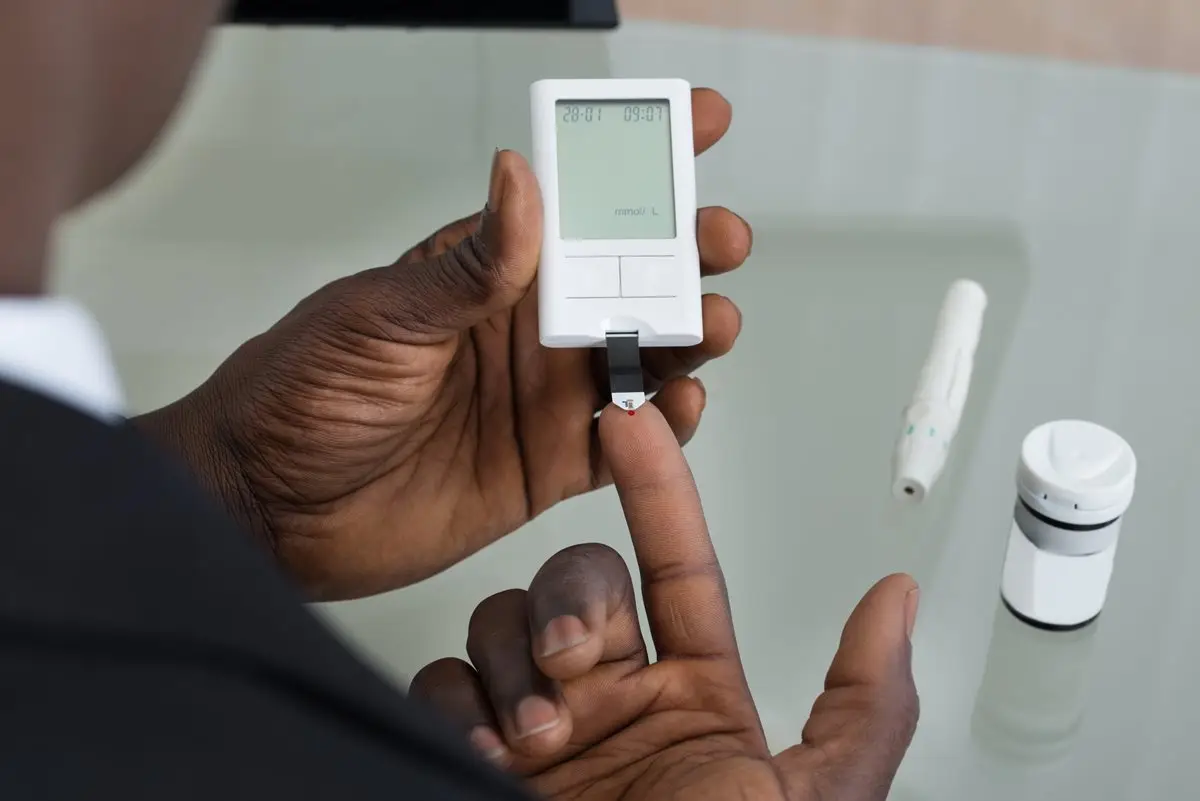
Checking your blood sugar is an important part of managing diabetes. Blood sugar monitoring shows how much sugar is in your blood at that moment and if there are patterns over time. It helps you see how your body reacts to food, exercise, stress, illness, and medicine. These numbers help you and your healthcare provider make safe choices about medicines, target ranges, and daily habits like eating and activity. Your healthcare provider will discuss with you what your blood sugar target range is. Check out our Managing your blood sugar resource for more information on how to check your blood sugar.

It’s important to know when your blood sugar is too low or too high. Learn more about the signs and symptoms of low and high blood sugar with  this resource.

a person using a finger blood sugar test

Lifestyle Management

Eating healthy foods, staying active, and making healthy choices are important for managing blood sugar. Helpful tools like the glycemic index and the balanced food plate can guide you in choosing foods and planning meals.

Being physically active also helps control blood sugar. There are different types of exercise, and each has its own benefits. You can choose activities that fit your needs and lifestyle.

In some cases, type 2 diabetes can be managed with lifestyle changes alone. A dietitian can also help you set and reach your personal nutrition goals. Talk to your healthcare provider about getting a referral.

Medications

Many people with type 2 diabetes take medication along with healthy eating and physical activity to help manage their blood sugar. Taking medication does not mean you have failed—many people need medicine as part of their diabetes care.

Medication Management
a person holding a piece of paper

Mental Health

It is normal to feel overwhelmed, angry, worried, or scared after being diagnosed with diabetes. Many people feel this way, and you are not alone. This Dealing with a Diabetes Diagnosis video explores common feelings, where to find support, and simple ways to cope and avoid burnout. These feelings may come and go over time, and that is okay. If diabetes is affecting how you feel, it’s important to ask for help—taking care of your mental health is just as important as taking care of your body.

Diabetes and mental health

Screening to prevent complications

Living with diabetes can also increase the risk of developing heart and kidney disease, and other health issues. Your healthcare provider will discuss with you what tests can be done to keep an eye on potential complications. You may have to schedule more appointments to do the tests. This Staying Healthy with Diabetes resource will provide information on the types of tests, what they measure, how to prepare for them, and what you can do to stay well. 

a woman in a white coat holding a tablet with a man in a blue shirt